
My Supplier Has Delivered Stock Early and I Have Nowhere to Put It – What Are My Options?
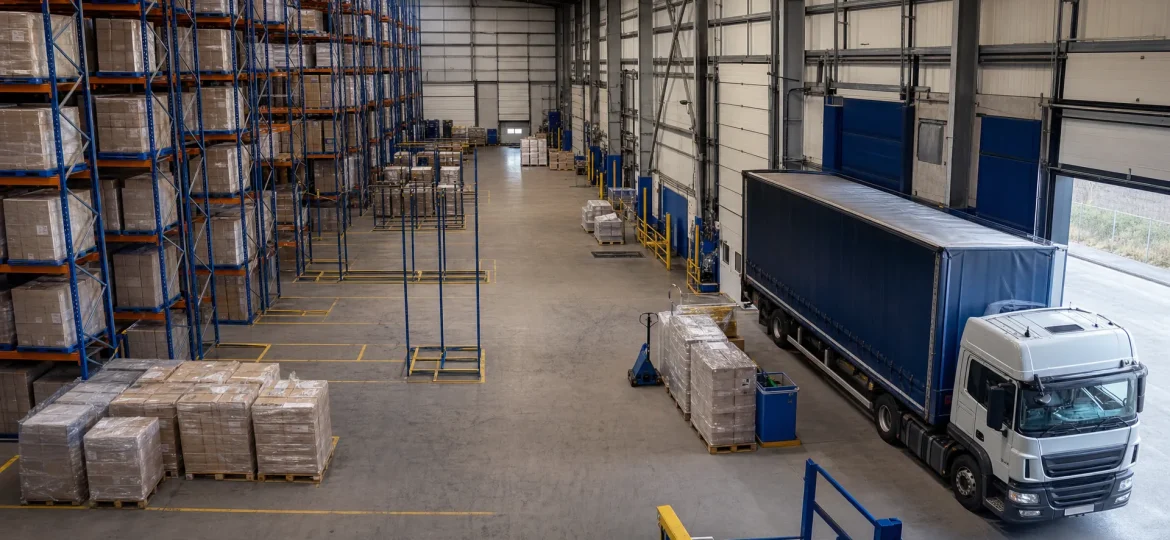
An early delivery can leave you with pallets at the door, no spare floor space and customer orders still needing to go out. Temporary warehouse storage can bridge the gap, but it is not your only option. The right response depends on whether the stock has already been unloaded, how soon you need it and whether your supplier delivered outside the agreed booking.
Start by securing the goods and checking the delivery arrangements. Then compare the cost of moving the stock with the disruption of keeping it where it is.
What to do straight away
If the vehicle is still outside, contact the supplier and carrier before unloading or redirecting it. Explain that the delivery is early and ask what alternatives they can authorise. Confirm any waiting time, rebooking or redirection charges before agreeing to them.
Check your purchase order, delivery booking and correspondence. Establish whether the date was agreed, estimated or subsequently changed. Do not assume the supplier will cover storage costs without written agreement.
If the stock has already been unloaded, put it in a safe receiving area without blocking exits, aisles or vehicle routes. Record its actual arrival time, quantity and visible condition. Follow your receiving checks rather than signing for checks you have not completed.
Avoid creating an unsafe overflow area just to get the delivery out of the way. The HSE’s warehousing and storage guidance is a useful reference for safe storage and handling.
Is temporary warehouse storage the right option?
Choose an arrangement that covers both the immediate delivery and the stock’s next move. Cheap space can become expensive if you need repeated trips to retrieve products.
| Option | When it makes sense | What to check first |
|---|---|---|
| Supplier or carrier holds the load | Stock has not been unloaded and can arrive later | Whether holding is possible, the revised date and any charges |
| Managed warehouse storage | Pallets or bulk stock need secure overflow space | Receiving availability, handling capability and release arrangements |
| Business self-storage | A small quantity of suitable boxed stock needs occasional access | Commercial-use terms, unloading arrangements and insurance |
| Direct onward delivery | A customer, retailer or another site can accept stock now | Booking approval, quantities and delivery requirements |
| Short-term premises | A larger requirement will last long enough to justify operating another site | Lease terms, equipment, staffing, security and insurance |
A managed warehouse storage service is worth considering when you need someone to receive and handle the goods, rather than simply rent you an empty space.
Temporary warehouse storage is often the practical choice when the problem is a timing mismatch: your goods are ready, but your premises are not. Ask the supplier about holding the load first, then compare the complete cost of the alternatives.
Check that the warehouse can handle the delivery
Available floor space does not automatically mean a warehouse can accept your load. Confirm the unloading equipment, vehicle access and receiving appointment before sending anything there.
A palletised delivery needs different arrangements from loose cartons packed inside a container. Tell the provider whether the load requires a forklift, tail lift or manual unloading. For imported goods, understanding how container de-stuffing works helps you distinguish unloading, checking and booking-in work from storage itself.
Explain any product restrictions at the outset. Food, liquids, batteries, aerosols and temperature-sensitive products can need specific handling or storage conditions. Do not assume a general warehouse is suitable for every type of stock.
Also establish what happens at receipt. Will staff count pallets, check cartons or verify individual items? Agree how damage, shortages and discrepancies will be recorded, including who receives the report.
Before booking temporary warehouse storage, confirm the provider’s liability terms and whether your own goods insurance covers the location and additional transport. Storage charges and insurance protection are separate questions.
Get written acceptance of the load and a receiving slot. An enquiry or quotation is not confirmation that a vehicle can turn up and unload.
Send a clear stock brief to avoid delays
A provider can assess an urgent request more effectively when it knows exactly what is arriving. “A few pallets for a couple of weeks” may not reveal an oversized load, heavy goods or stock that cannot be stacked.
Send the following information together:
- Quantity and dimensions: Pallet count, pallet footprint, overall height and weight, including any overhang.
- Product details: What the goods are, how they are packed and any handling restrictions.
- Arrival details: Current location, vehicle type, expected arrival and unloading requirements.
- Stock records: Product codes, quantities and any batch, serial number or best-before information that needs recording.
- Expected duration: Your likely release date and what could change it.
- Outbound plan: Whether you will collect everything together, request staged pallet releases or need individual orders dispatched.
Photos can help explain unusual loads, but they do not replace accurate measurements and weights. If the end date is uncertain, say so and ask how extensions work. It is better to agree that flexibility now than discover the space is committed elsewhere next week.
Compare the full cost, not just the storage rate
A low weekly pallet rate is only one part of the bill. An emergency move can involve transport, unloading, booking in, storage, retrieval and another delivery when your own space becomes available.
Ask for an itemised quote based on your actual load and intended release pattern.
| Cost element | Question to ask |
|---|---|
| Inbound transport | Who is arranging it, and does the price include any redirection or waiting? |
| Receiving and unloading | Are handling and stock checks included or charged separately? |
| Storage | Is charging daily or weekly, and does a part-week count as a full week? |
| Retrieval and loading | What does it cost to release all or part of the stock? |
| Additional work | Are sorting, pallet replacement, wrapping or stock counts extra? |
| Outbound transport | Is delivery back to your site included, and are timed bookings extra? |
Confirm minimum charges, payment terms and whether VAT is included or shown separately. No minimum stock volume does not necessarily mean there are no minimum charges.
When comparing temporary warehouse storage quotes, use the same quantities, dates and handling assumptions. A storage-only quote and a fully managed quote are not directly comparable, even if both show a weekly pallet price.
Decide how the stock will leave before it goes in
Set an expected release date and identify who can authorise collection. Ask how much notice the warehouse needs, what its collection hours are and whether releases must be booked in advance.
If some stock is needed immediately, separate it from the later requirement before the move where practical. Sending every pallet into overflow storage and then retrieving small quantities each day can create avoidable handling and transport costs.
Keep your stock records accurate. Record the temporary location, confirm received quantities and make sure the same goods are not counted twice. If the stock will supply customer orders, establish how availability and dispatch instructions will be communicated.
For recurring early deliveries, review supplier booking controls alongside your warehouse stock-holding plan. A clear delivery window and named booking contact can prevent the same problem returning.
Temporary warehouse storage works best with a defined exit plan, even if that plan includes an agreed extension. Otherwise, a short-term fix can turn into stock sitting elsewhere without anyone actively managing its release.
Frequently asked questions
Can a warehouse accept my stock today? Sometimes, but availability depends on the goods, quantity, unloading requirements and receiving schedule. Obtain confirmation before redirecting a vehicle. Explain immediately if the driver is already waiting or the goods have been unloaded at your premises.
Can I store stock for only a week or two? Some providers can accommodate short stays. Check minimum charges, billing periods, notice requirements and collection arrangements. The practical question is the total cost of receiving, holding and releasing your particular load.
Can I refuse a delivery because it arrived early? That depends on your agreed purchasing and delivery terms. Check the paperwork and speak to the supplier before refusing it. Agree who is responsible for any redelivery, holding or storage charges rather than assuming the early arrival settles that question.
Should I use storage or fulfilment? Storage suits goods you will later move elsewhere. If the stock needs to supply individual customer orders while it is held, discuss picking, packing and dispatch requirements from the outset.
Get help with an unexpected delivery
If you need temporary warehouse storage in Cheshire or the North West, Gus Logistics can discuss your load and the arrangements it requires. Based in Nantwich, the family-run business provides racked and floor storage with real-time WMS tracking through a client portal. Batch, serial number and best-before date tracking are available.
There are no minimum volume requirements, and quotes are usually turned around the same working day. Gus Logistics also provides transport services, so you can discuss moving the goods as well as storing them. Receiving availability and suitability still need to be confirmed for your delivery.
Have your pallet count, dimensions, product details and required dates ready. Call Gus Logistics on 01270 335014 to discuss the stock, confirm what is possible and request a quote.
Looking for a Logistics Partner You Can Trust?
From warehousing and order fulfilment to transport and FSDU design - Gus Logistics handles it all from our base in Nantwich, Cheshire. Over 10 years experience, no minimum volumes, no long contracts.
