
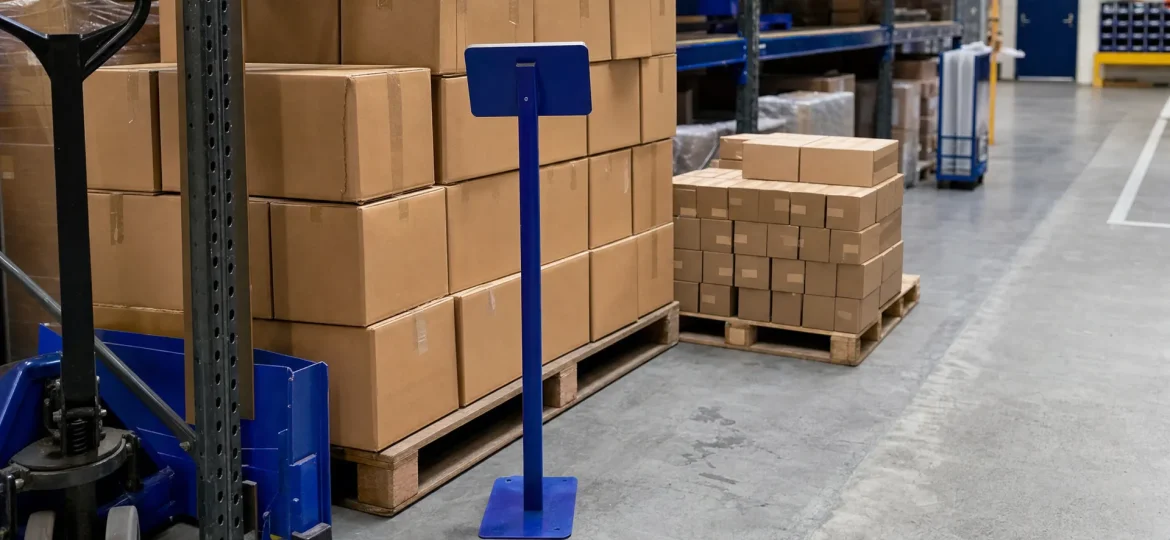
Can a 3PL Handle Both Wholesale and Ecommerce Orders From the Same Stock?
Yes, a 3PL can handle wholesale and eCommerce orders from the same stock, provided its warehouse processes and systems support both. You do not necessarily need separate inventory for retail customers and trade buyers. Successful 3PL wholesale and eCommerce fulfilment depends on knowing what is available, what has already been promised and how each order needs to leave the warehouse.
The main risk is not storing both channels together. It is allowing a large wholesale order to consume stock that your website still shows as available. Clear allocation rules, consistent product records and reliable stock updates are what make a shared-stock arrangement work.
What does fulfilment from the same stock actually mean?
A shared-stock model means both channels draw from one inventory holding. A product might arrive on pallets, sit in bulk storage and then supply individual online orders as well as larger trade orders.
That does not mean every order follows the same process. An online customer might need one item in a parcel. A retailer might require twenty cases, specific labels and a booked delivery slot. The stock can be shared while the picking, packing and delivery instructions remain different.
It also does not mean every unit must occupy the same physical location. A warehouse may hold full cases in reserve storage and replenish a separate area used for individual picking. Those locations should still feed into one reliable inventory record.
The useful distinction is shared inventory, not identical handling. You want stock to move between sales opportunities without losing control of what is committed to each customer.
Stock controls for 3PL wholesale and eCommerce fulfilment
Consistent product codes and case quantities
Each saleable product needs a clear stock keeping unit, or SKU. If your website and wholesale order forms use different codes for the same item, the warehouse system needs an agreed mapping between them.
Units of measure matter just as much. A wholesale order for 20 cases containing 12 items each represents 240 individual units, not 20. The system and picking instructions must distinguish between an individual item, an inner pack and a full case.
Ask whether cases can be split for online orders. If breaking a case damages the packaging or creates an unsuitable saleable unit, that stock cannot simply be treated as freely interchangeable.
Separate physical stock from available stock
A warehouse management system, or WMS, should distinguish between stock physically present and stock available for new orders. Goods may be reserved for an accepted order, held for inspection or awaiting a decision after being returned.
Your sales channels need an availability figure that reflects these restrictions. Sending the total physical stock count to your website can create overselling even when the warehouse count itself is accurate.
When assessing warehousing and storage arrangements, establish how inventory is recorded and which stock statuses you can see. Visibility is useful only if you understand what each figure includes.
How to stop wholesale orders draining online availability
The central decision in 3PL wholesale and eCommerce fulfilment is when an order reserves stock. A trade enquiry, a confirmed purchase order and an order ready for dispatch should not automatically have the same effect on availability.
Agree the reservation point before operations begin. For example, you might reserve stock once a wholesale order is approved, then release it if the order is cancelled. The appropriate rule depends on your payment terms and customer commitments.
You can also protect a quantity for online sales. This is a logical allocation within the shared inventory, not necessarily a separate pile of products. It helps prevent one large trade order from taking every available unit during an online promotion.
Stock updates need attention too. Ask how quickly reservations reach connected sales channels, what happens if an update fails and how the team resolves a mismatch. Where updates are not immediate, a stock buffer may reduce risk, although it cannot replace proper reconciliation.
Priority rules should be explicit. Warehouse staff should not have to decide whether a retailer's purchase order outranks paid online orders.
A worked example of shared inventory
Suppose your warehouse holds 1,000 units of one product. An approved wholesale order reserves 240 units, existing online orders reserve another 60 and 20 returned units are awaiting inspection.
| Stock status | Units | Available for a new order? |
|---|---|---|
| Reserved for wholesale | 240 | No |
| Reserved for existing online orders | 60 | No |
| Held for inspection | 20 | No |
| Uncommitted saleable stock | 680 | Yes |
| Total physically held | 1,000 | Not all units are available |
In this illustration, 680 units are available for new orders before any additional channel buffer is applied. The website should not show all 1,000 as available.
This is why 3PL wholesale and eCommerce fulfilment needs more than a combined stock total. When reserved goods dispatch, the physical quantity falls, but the reservation must also be cleared without deducting availability twice.
Likewise, an incoming delivery should not become available merely because a supplier says it has shipped. Agree when received stock becomes saleable, normally after the relevant receipt checks are complete.
When some inventory should stay separate
Sharing stock works best when both channels sell the same product in a compatible format. There are situations where separate stock records, allocations or locations are necessary.
A retail-ready case may contain packaging that is unsuitable for sending individual items to consumers. A pre-filled display unit may be a finished assembly rather than a collection of freely available products. Customer-specific labels can also make stock unsuitable for another buyer.
Batch and best-before requirements introduce another distinction. One retailer may require a minimum remaining shelf life that an otherwise saleable batch cannot meet. The warehouse needs to identify which stock is eligible for that order, rather than allocating whichever units are easiest to reach.
Returns require similar discipline. An item coming back from an online customer should not re-enter shared availability until it has passed your agreed checks. A damaged carton, missing component or broken seal can change whether it is suitable for either channel.
Use a shared pool where stock is genuinely interchangeable. Keep restrictions visible wherever it is not.
What to ask a 3PL before moving both channels
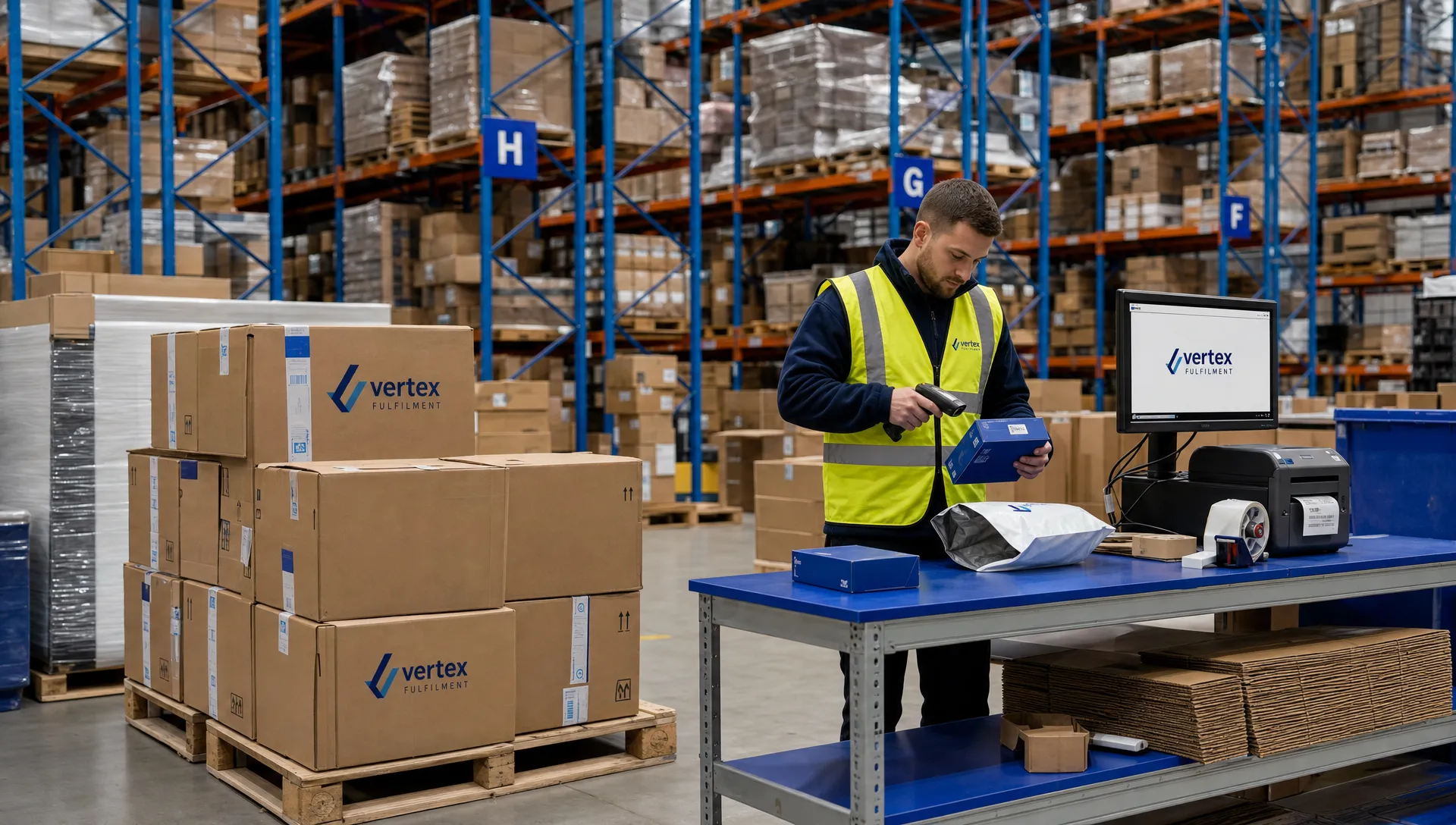
A provider saying it handles B2B and online orders is a starting point, not proof that the two will work together smoothly. Ask it to demonstrate a complete example involving the same SKU across both channels.
For 3PL wholesale and eCommerce fulfilment, the most revealing test is a large trade order arriving while online sales continue. Watch how stock is reserved, how the website quantity changes and what happens if the trade order is amended or cancelled.
Use these questions to structure the conversation:
- Stock ownership: Will both channels draw from one inventory record, with clear reservations and restrictions?
- Order entry: How will wholesale purchase orders enter the system, and who checks customer-specific requirements?
- Handling: Can the warehouse manage individual picks, case picks and any required pallet preparation?
- Delivery: Who arranges retailer bookings, and which dispatch promises apply to parcels versus trade deliveries?
- Exceptions: Who investigates failed stock updates, shortages, damaged goods and order changes?
- Charges: How are receiving, storage, picking, packaging, special preparation and transport priced?
Integration deserves its own check. This guide to choosing a 3PL that integrates with Shopify, Amazon and eBay provides a useful starting point, but your demonstration should also include the wholesale order route.
Before transferring everything, test representative orders: a single-item parcel, a full-case trade order, a cancellation and a return. Confirm the resulting inventory figures as well as the parcels or pallets produced.
How Gus Logistics can support both channels
Gus Logistics is a family-run 3PL based in Nantwich, Cheshire, supporting eCommerce brands, manufacturers and product businesses across the UK. Its services include order fulfilment, pallet and bulk storage, co-packing, returns management and transport.
For businesses considering 3PL wholesale and eCommerce fulfilment, the practical starting point is to review the products, order profiles and delivery requirements together. Gus Logistics' B2B fulfilment services in Cheshire are relevant to the wholesale side of that discussion.
Its order fulfilment service integrates with more than 60 platforms, including Shopify, Amazon, eBay, WooCommerce and Magento. Warehousing includes real-time WMS tracking through a client portal, with batch, serial number and best-before date tracking available.
There are no minimum volume requirements. Before agreeing a shared-stock setup, confirm your reservation rules, case quantities, retailer instructions and channel-specific cut-offs with the team. A late parcel cut-off should not be assumed to apply to every wholesale delivery.
Frequently asked questions
Do wholesale and eCommerce stock need separate warehouses? No. Both can operate from one warehouse when the provider supports the relevant picking, packing and delivery processes. Some goods may still need separate locations or stock records because of packaging, customer ownership or handling restrictions.
Can I reserve stock for a retailer without removing it from the warehouse? Yes, if the agreed system supports that reservation. The goods remain physically present but should no longer be offered for other orders. Confirm when reservations begin and how amendments or cancellations release them.
Will using one stock pool always reduce costs? No. It can reduce unnecessary duplication, but the total cost depends on storage, handling, packaging, integrations and delivery requirements. Compare itemised quotes using realistic examples from both channels rather than assuming consolidation is automatically cheaper.
Can a small business use 3PL wholesale and eCommerce fulfilment? Yes. Suitability depends on whether the provider can support your order mix and requirements, not simply your size. Ask about minimum volumes, setup work and charges. Gus Logistics has no minimum volume requirements.
Discuss your shared-stock requirements
If you want one warehouse to support online customers and wholesale buyers, prepare your SKU list, typical order sizes and retailer requirements. Call Gus Logistics on 01270 335014 to discuss a fulfilment and storage arrangement that fits both channels.
Looking for a Logistics Partner You Can Trust?
From warehousing and order fulfilment to transport and FSDU design - Gus Logistics handles it all from our base in Nantwich, Cheshire. Over 10 years experience, no minimum volumes, no long contracts.
