
Retail Logistics Challenges and How to Solve Them
Retail logistics often looks simple from the outside: receive stock, store it, pick it, send it. In practice, it is where sales promises meet physical reality. If stock records are wrong, deliveries are late, promotional stock arrives too early or a retail display is assembled incorrectly, the customer still sees one thing: the brand failed to deliver.
For growing retail businesses, the challenge is usually not one single issue. It is a chain of small operational weaknesses that start to show as order volumes rise, product ranges expand and sales channels multiply. A process that worked when you shipped a few pallets a week can quickly become stretched when you are supplying websites, marketplaces, wholesalers, shops and seasonal promotions at the same time.
The good news is that most retail logistics challenges can be solved with clearer processes, better stock control, realistic planning and the right logistics support. Below are the most common problems retail brands face, and the practical steps you can take to fix them.
Why retail logistics becomes harder as you grow
A small retail operation can often rely on manual checks, spreadsheets and a few experienced people who know where everything is. That works until the business becomes more complex.
Growth usually brings more SKUs, more suppliers, more order cut-offs, more delivery locations and more customer expectations. A retailer might be sending direct-to-consumer orders from Shopify, marketplace orders from Amazon or eBay, pallet deliveries to retail stores, and pre-filled display units to supermarket distribution centres. Each route to market has different rules.
Retail logistics is not only about moving products. It has to protect availability, cash flow, customer satisfaction and relationships with retailers. If a buyer at a major retailer expects a delivery on a fixed booking slot, or your customers expect next-day dispatch, there is little room for guesswork.
Challenge 1: Poor stock visibility
Stock visibility is one of the biggest pressure points in retail logistics. If your system says an item is available but the warehouse cannot find it, every part of the operation slows down. Orders are delayed, customer service teams become reactive and purchasing decisions are made using unreliable data.
This problem is common when stock is spread across multiple locations, when inbound deliveries are not booked in quickly or when returns are not processed accurately. It can also happen when businesses rely too heavily on spreadsheets, especially when several people are updating them at different times.
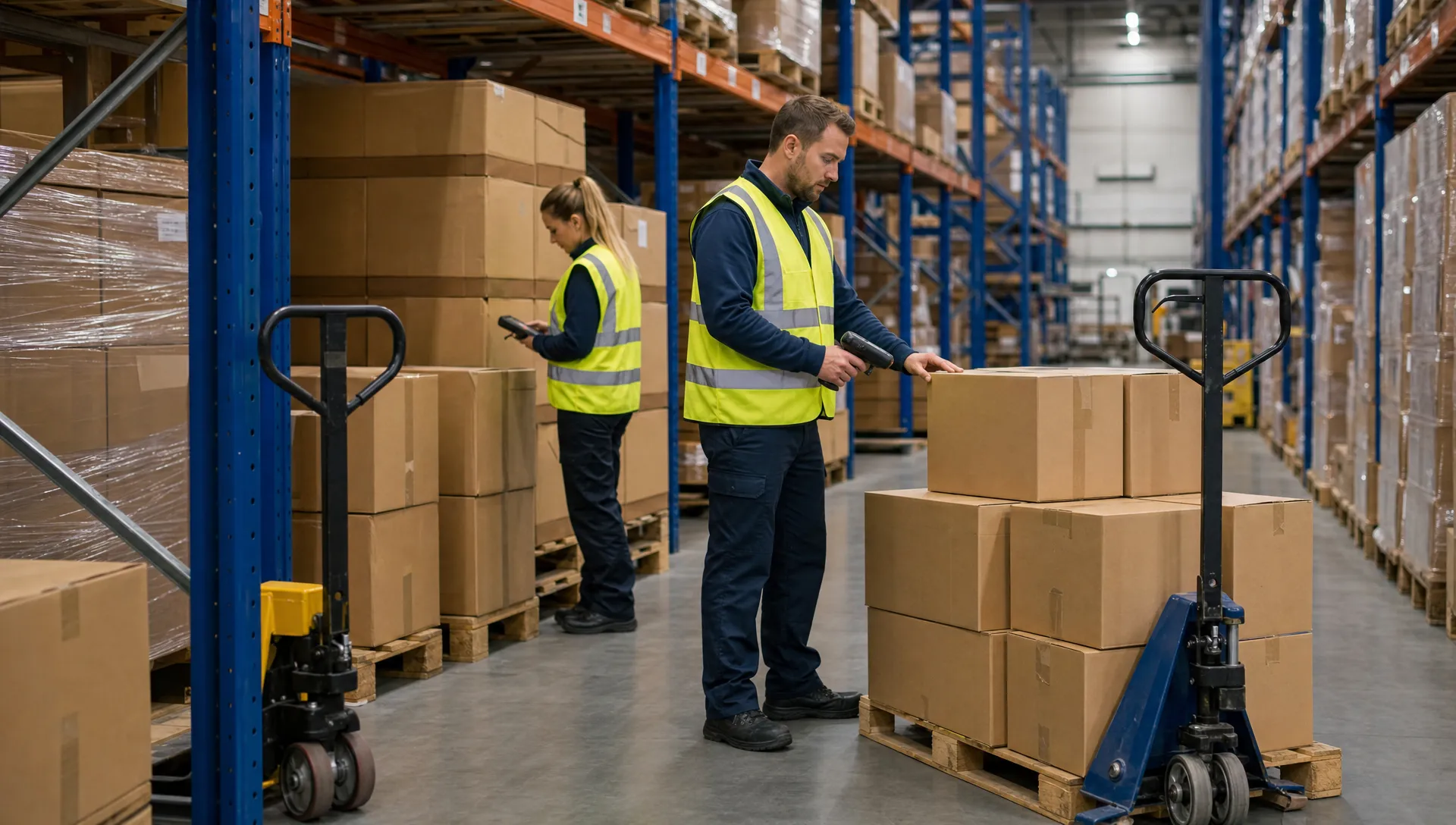
The solution is to make stock control a live operational process, not a weekly admin task. Goods should be counted and checked as they arrive, SKUs should be clearly labelled, and movements should be recorded as they happen. A warehouse management system can help by showing what stock is available, where it is stored and whether any items are reserved for existing orders.
If you are holding pallets, bulk stock or fast-moving retail products, using a provider with warehouse storage and stock tracking can give you better control without needing to run your own warehouse. The key is to know what you have, where it is and what condition it is in before you make promises to customers or retailers.
Challenge 2: Peaks, promotions and seasonal demand
Retail demand is rarely steady. Product launches, supermarket promotions, Christmas trading, Black Friday, new stock drops and influencer campaigns can all create sudden spikes. If logistics planning only reflects an average week, the business can quickly fall behind.
The problem is not just higher order volume. Peak trading can affect every stage of the operation. More stock arrives, more space is needed, more orders need picking, more packaging is used and more transport capacity is required. If any part of that chain is underprepared, the whole operation feels the pressure.
The fix is to plan peaks as separate projects. Forecast volumes as early as possible, even if they are only estimates. Share promotional calendars with your logistics team, identify which SKUs are likely to move fastest and make sure packaging, labour and transport are ready before the spike begins.
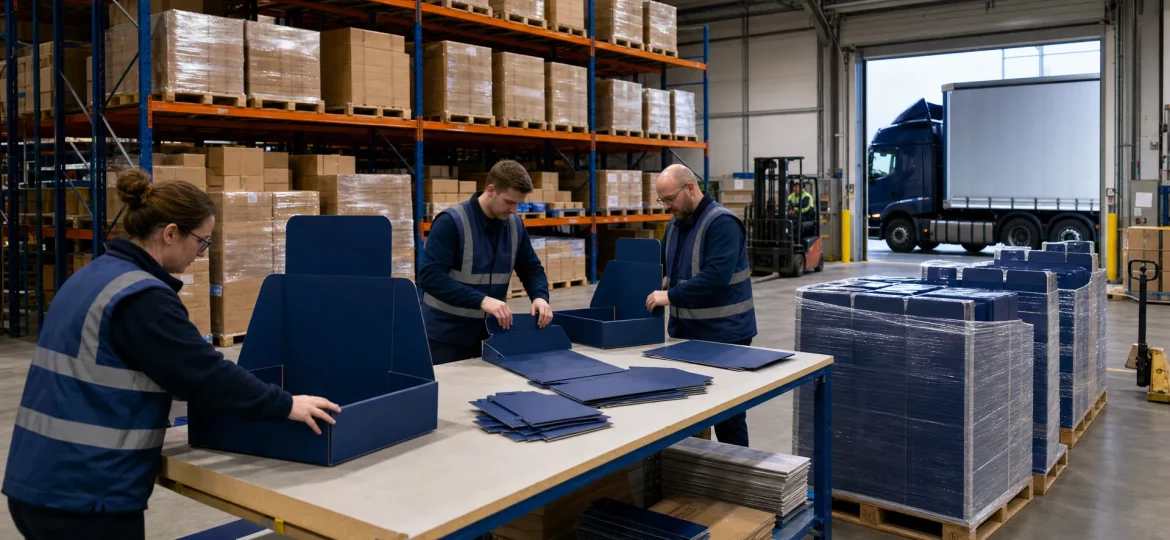
It also helps to separate normal trading stock from promotional stock where possible. For example, if you are building retail display units or dispatching campaign stock to multiple sites, keeping those goods clearly staged avoids confusion with everyday order fulfilment.
Challenge 3: Multichannel fulfilment complexity
Selling through several channels is good for revenue, but it can complicate fulfilment. A direct website order may need branded packaging and fast parcel delivery. A marketplace order may have strict dispatch requirements. A wholesale order may need picking by case or pallet. A retailer delivery may need booking references, labels and delivery paperwork.
Trying to manage all of this manually increases the chance of errors. Teams may print orders from different systems, copy information between platforms or rely on manual checks to decide what goes where.
The best solution is to connect sales channels into one fulfilment process. That means orders flow into the warehouse accurately, stock updates move back to the right platform and dispatch information is shared without unnecessary manual work. It also means agreeing clear rules for packaging, cut-off times, carrier services and exception handling.
For eCommerce brands, outsourced order fulfilment and pick and pack services can reduce the daily pressure of managing multiple platforms. Look for a fulfilment process that can support your current channels and the channels you expect to add next, rather than a setup that only solves today’s problem.
Challenge 4: Retailer compliance and delivery requirements
Supplying retailers is different from shipping direct to consumers. Retailers often have strict requirements for labelling, pallet configuration, booking slots, delivery windows, packaging, display units and paperwork. Missing those requirements can lead to rejected deliveries, chargebacks, delays or strained relationships with buyers.
This is where many growing brands get caught out. The product is ready, the order is correct and the stock is available, but the delivery fails because a label is wrong, the pallet is built incorrectly or the goods are not prepared in the format the retailer expects.
The solution is to treat retailer requirements as part of the order, not an afterthought. Keep each retailer’s delivery instructions documented and easy to access. Check whether products need specific pallet heights, carton labels, advanced shipping notices, delivery references or pre-approved booking slots. For larger rollouts, build in time for checking and reworking before dispatch.
This is especially important for point of sale activity. Free standing display units, pre-filled displays and promotional kits all need careful handling because they often go straight into retail environments. If this is part of your sales strategy, working with a team that understands FSDU design, pre-fill and dispatch can help reduce the risk of last-minute problems.
Challenge 5: Delivery delays and limited transport options
Even the best warehouse operation can be let down by unreliable transport. Retail logistics often involves a mix of parcel delivery, pallet networks, dedicated vehicles, store deliveries and urgent movements. If you only have one delivery option, you have very little flexibility when plans change.
Common causes of delivery problems include missed cut-offs, traffic delays, poor route planning, limited vehicle availability, weather disruption and unclear handovers between warehouse and carrier. For retail deliveries, the impact can be bigger if a missed slot means waiting days for another booking.
The practical fix is to match the transport method to the order. Not every shipment needs a dedicated vehicle, but some do. Not every delivery needs same-day movement, but some campaigns or retailer commitments cannot wait. Having access to both planned and urgent transport options gives the business more control.
It is also worth reviewing cut-off times and dispatch promises. A cut-off that looks attractive on a website is only useful if the warehouse and transport operation can consistently meet it. Clear cut-offs, realistic lead times and proactive communication are usually better than overpromising and recovering from delays later.
For businesses that need flexibility, same-day and next-day transport support can be valuable, especially when stock must move quickly between warehouses, stores, retailers or customers.
Challenge 6: Returns that drain time and space
Returns are not just a customer service issue. They are a logistics issue that affects space, stock accuracy, cash flow and resale value. If returned products sit unprocessed, they may still show as unavailable even though they could be sold again. If damaged goods are mixed with sellable goods, stock accuracy suffers.
A good returns process should answer four questions quickly: what has come back, why has it come back, what condition is it in and what happens next? Without those answers, returned stock becomes clutter.
The solution is to create a clear returns workflow. Returned items should be checked, graded and processed consistently. Sellable goods should be returned to stock quickly. Damaged or incomplete goods should be separated. Repeated return reasons should be tracked so the business can spot product, sizing, packaging or carrier issues.
For retail brands with seasonal stock, speed matters. A returned item that is processed after the season ends may have lost much of its value. The aim is to make returns part of the stock cycle, not a pile of unresolved exceptions.
Challenge 7: Space constraints and warehouse inefficiency
Retail stock takes up space long before it creates revenue. You may need to hold bulk stock from suppliers, packaging materials, promotional stock, slow-moving lines, retail display components and returned goods. If your own premises are full, operations become slower and mistakes become more likely.
Warehouse space problems often show up in small ways first. Teams spend longer finding items. Pallets are moved several times before they are needed. New deliveries block working areas. Picking routes become inefficient. Stock counts take longer because products are stored wherever space was available at the time.
The solution is to design storage around movement, not just capacity. Fast-moving SKUs should be easy to reach. Bulk stock should be separated from picking stock. Retail campaign stock should be staged and labelled clearly. If you use best-before dates, batch numbers or serial numbers, the storage process should support that from the point goods arrive.
Here is a simple way to think about where common retail logistics issues start and how to address them:
| Challenge | What it usually looks like | Practical fix |
|---|---|---|
| Poor stock visibility | Overselling, missing items, manual stock checks | Live stock updates, clear SKU labelling and accurate goods-in processes |
| Peak demand pressure | Late orders, congested warehouse space, rushed picking | Forecast peaks early, reserve space and agree labour and transport plans |
| Retailer compliance | Rejected deliveries, relabelling, missed booking slots | Document retailer rules and check labels, pallets and paperwork before dispatch |
| Returns backlog | Stock tied up, unclear product condition, slow refunds | Grade returns quickly and separate sellable, damaged and incomplete items |
| Transport delays | Missed delivery windows, customer complaints, urgent firefighting | Match shipment type to the right transport option and set realistic cut-offs |
A growing retailer does not always need a larger building of its own. Often, it needs more flexible storage, better stock processes and the ability to scale up or down without taking on unnecessary fixed costs.
Challenge 8: Weak communication between teams and partners
Retail logistics depends on timing. Sales, purchasing, warehouse, customer service, finance and transport all need to work from the same information. When communication breaks down, teams start making decisions based on old data.
For example, sales may agree a retailer delivery date before inbound stock has arrived. Purchasing may order more stock because returns have not been processed. Customer service may promise a replacement before the warehouse has confirmed availability. These are not always people problems. Often, they are process problems.
The fix is to agree what information must be shared, when it must be shared and who owns it. This includes inbound delivery dates, stock discrepancies, delayed shipments, urgent orders, retailer bookings, packaging shortages and forecast changes. A short daily check during busy periods can prevent many expensive mistakes.
If you outsource logistics, communication becomes even more important. You should know who to contact, how issues are escalated and how quickly you can expect updates. A good logistics partner should not feel like a black box.
How to prioritise your retail logistics fixes
It can be tempting to try to improve everything at once, but that often creates more disruption. A better approach is to identify the points where logistics problems are costing the business the most.
Start with the issues that affect customer trust and revenue. If orders are regularly late, focus on fulfilment capacity, cut-offs and transport. If stock is often wrong, focus on goods-in, stock counts and system accuracy. If retailer deliveries are being rejected or delayed, focus on compliance and pre-dispatch checks.
You can also prioritise based on frequency. A rare problem may be frustrating, but a small issue that happens every day is often more expensive over time. Track the causes of delays, returns, stock discrepancies and urgent shipments for a few weeks. Patterns will usually appear quickly.
The most useful retail logistics improvements tend to have three things in common:
- They reduce manual handling or duplicated admin.
- They make stock and order information easier to trust.
- They give the business more flexibility when demand changes.
Once those foundations are in place, it becomes much easier to scale sales without stretching the operation beyond its limits.
When outsourcing retail logistics makes sense
Outsourcing is not right for every business at every stage. If your operation is simple, volumes are low and you have enough space, running logistics in-house may still work well. But if logistics is taking time away from sales, product development and customer service, it may be time to review your options.
Outsourcing can be particularly useful when you need better stock control, more warehouse space, later dispatch capability, retail display support, co-packing or more flexible transport. It can also help if you are entering new sales channels and do not want to build every process from scratch.
The important point is to choose support that fits your business model. A retail brand shipping thousands of small parcels has different needs from a manufacturer sending palletised orders to retailers. A business preparing FSDUs for supermarket promotions has different needs from an online brand managing daily direct-to-consumer orders.
A practical provider should help you solve the real operational problem, not force you into a one-size-fits-all process.
How Gus Logistics supports retail businesses
Gus Logistics is a family-run 3PL logistics provider based in Nantwich, Cheshire, supporting eCommerce brands, manufacturers and product businesses across the UK. The team works across order fulfilment, pallet and bulk warehousing, same-day and next-day transport, FSDUs, co-packing and contract packing.
For retail businesses, that means you can get support across several parts of the supply chain rather than managing separate providers for every task. Gus Logistics can integrate with major platforms including Shopify, Amazon, eBay, WooCommerce and Magento, and offers late cut-offs up to 10pm and next-day dispatch. For warehousing, clients can use racked and floor storage with real-time WMS tracking through a client portal, including batch, serial number and best-before date tracking where needed.
The company is also well placed for UK distribution, with a Nantwich location near the M6, M56 and M62. For business owners comparing UK logistics services, the value is not only the physical space or vehicles. It is having a team that understands how retail deadlines, stock accuracy and customer promises connect.
Frequently Asked Questions
What is retail logistics? Retail logistics is the process of managing how products move through the retail supply chain, from inbound stock and storage through to order fulfilment, store delivery, returns and promotional activity.
What are the biggest retail logistics challenges? Common challenges include poor stock visibility, peak demand, multichannel fulfilment, retailer compliance, delivery delays, returns backlogs and limited warehouse space.
How can retailers improve stock accuracy? Retailers can improve stock accuracy by checking goods in properly, using clear SKU labelling, recording stock movements in real time and regularly investigating discrepancies rather than simply adjusting figures.
When should a retail business outsource logistics? Outsourcing may make sense when order volumes, storage needs, delivery expectations or retailer requirements become difficult to manage in-house. It is also useful when logistics is taking too much time away from growth-focused work.
Can one logistics provider handle fulfilment, storage, transport and FSDUs? Some providers can support all of these areas. This can simplify communication and reduce handovers, especially for retail brands that need both daily fulfilment and campaign-based retail display activity.
Need help solving your retail logistics challenges?
If stock control, fulfilment, warehousing, transport or retail display preparation is becoming harder to manage, Gus Logistics can help you find a practical way forward.
To discuss your requirements, call 01270 335014 or get in touch via the contact page.
Looking for a Logistics Partner You Can Trust?
From warehousing and order fulfilment to transport and FSDU design - Gus Logistics handles it all from our base in Nantwich, Cheshire. Over 10 years experience, no minimum volumes, no long contracts.
