
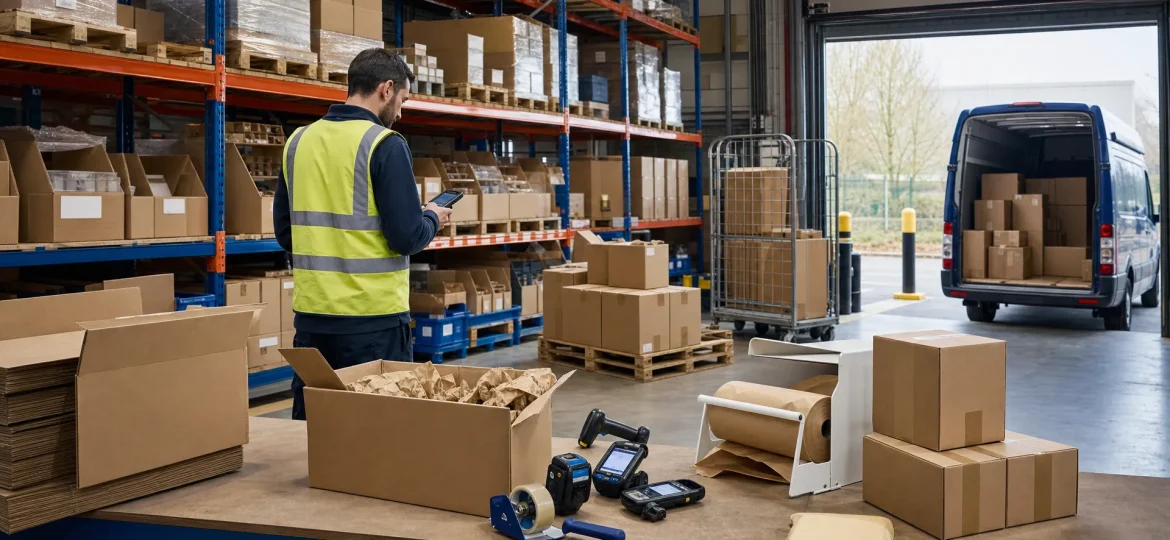
What Is DTC Fulfilment?
If you sell products directly to customers through your own website, marketplaces or social channels, fulfilment quickly becomes one of the biggest parts of your customer experience. A great product can still lead to poor reviews if orders arrive late, stock levels are wrong or the parcel looks rushed.
So, what is DTC fulfilment? DTC fulfilment, short for direct-to-consumer fulfilment, is the process of receiving, storing, picking, packing and dispatching individual customer orders on behalf of a brand that sells straight to the end customer.
It sounds simple, but the detail matters. DTC fulfilment is where your online promise becomes a real delivery. It affects speed, accuracy, packaging quality, stock control, returns and repeat purchases. For growing eCommerce brands, it is often the point where in-house packing stops being manageable and a more reliable system is needed.
What does DTC fulfilment mean?
DTC fulfilment means handling orders that go directly from your brand to your customer, rather than sending bulk stock to a retailer, wholesaler or distributor.
For example, if a customer buys a candle, hoodie or skincare bundle from your website, that is a DTC order. The fulfilment process covers everything that happens after the order is placed, including checking stock, picking the right item, packing it, applying the correct carrier label, dispatching it and sharing tracking details.
A DTC fulfilment operation usually includes:
- Receiving stock from suppliers or manufacturers
- Storing products safely and accurately
- Syncing orders from online sales channels
- Picking the correct SKUs for each order
- Packing orders to the right standard
- Dispatching via suitable couriers or transport options
- Updating tracking and delivery information
- Managing returns where required
Many brands start by doing this themselves from a spare room, small unit or office. That can work at low volumes. But as order numbers rise, manual processes can quickly become a bottleneck. At that point, using a professional order fulfilment service can give you more structure without needing to lease your own warehouse or hire a full logistics team.
DTC fulfilment vs retail, wholesale and marketplace fulfilment
DTC fulfilment is different from traditional retail or wholesale logistics because the order profile is different. Instead of sending one pallet of goods to one store or distribution centre, you may be sending hundreds of individual parcels to hundreds of home addresses.
That changes how stock is stored, picked, packed and dispatched. DTC orders often need faster turnaround, more careful packaging and accurate customer-facing tracking.
| Fulfilment type | Typical order | Main priority | Common challenge |
|---|---|---|---|
| DTC fulfilment | Individual parcels to end customers | Speed, accuracy and customer experience | Managing many small orders without errors |
| Retail fulfilment | Cases, cartons or pallets to stores | Compliance with retailer requirements | Booking slots, labels and delivery rules |
| Wholesale fulfilment | Bulk orders to trade customers | Availability and account-specific terms | Pricing, minimum quantities and repeat replenishment |
| Marketplace fulfilment | Parcels sold through marketplaces | Meeting marketplace service levels | Stock sync, dispatch deadlines and returns |
Many brands now sell through more than one route. You might have your own Shopify store, an Amazon account, trade customers and seasonal retail listings. If you sell wholesale alongside DTC, a B2B ordering portal such as Cart200 can help separate trade accounts, personalised pricing and invoicing from consumer orders before the fulfilment stage.
The key is to keep each sales route organised. DTC customers expect a smooth parcel delivery experience. Retailers expect compliance. Trade buyers expect repeatability. Your fulfilment setup needs to support the way you actually sell, not force every order into the same process.
How DTC fulfilment works step by step
A well-run DTC fulfilment process is built around clear stock visibility and reliable order flow. The exact setup varies by product type, but the core stages are usually similar.
| Stage | What happens | Why it matters |
|---|---|---|
| Stock receipt | Goods arrive from a manufacturer, supplier or importer and are checked in | Prevents stock discrepancies before orders start coming through |
| Storage | Products are stored in pickable warehouse locations | Makes it quicker and easier to find the right item |
| Order integration | Orders flow from your sales platforms into the fulfilment system | Reduces manual data entry and order errors |
| Picking | Warehouse staff select the correct items for each order | Protects accuracy and customer satisfaction |
| Packing | Items are packed using the right materials and presentation standard | Reduces damage and supports your brand experience |
| Dispatch | Orders are labelled, handed to carriers and tracking is updated | Helps customers know when to expect delivery |
| Returns | Returned items are received, inspected and processed | Keeps stock records clean and supports customer service |
The biggest difference between a basic packing setup and a scalable DTC fulfilment operation is control. You need to know what stock you have, where it is, what has been ordered, what has shipped and what has come back.
For products with expiry dates, batches, serial numbers or multiple variants, this becomes even more important. A warehouse with proper systems can track stock at a level that is difficult to manage with spreadsheets alone. If your brand is outgrowing a small stockroom, professional warehousing and storage can help you keep products organised while still supporting parcel-level DTC dispatch.
Why DTC fulfilment matters for customer experience
Customers rarely think about fulfilment when everything goes well. They place an order, receive updates and get the right product on time. But when fulfilment fails, it is one of the first things they notice.
Late dispatch can lead to customer service emails. Picking errors can trigger refunds, replacements and negative reviews. Poor packaging can make a premium product feel less valuable. Stock inaccuracies can mean selling items you cannot actually ship.
For DTC brands, fulfilment is part of the product experience. The customer has chosen to buy directly from you, not from a retailer. That means the delivery experience reflects your brand, your standards and your reliability.
Good DTC fulfilment helps you:
- Protect delivery promises made on your website
- Reduce manual admin and customer service pressure
- Keep better visibility of stock levels
- Handle seasonal spikes more confidently
- Improve repeat purchase confidence
- Free up time for product, sales and marketing work
It also supports profitability. Every mispick, damaged item, delayed order or unnecessary manual task adds cost. Those costs are not always obvious at first, but they become harder to ignore as volume grows.
When in-house DTC fulfilment starts to struggle
Most DTC brands do not outsource on day one. In-house fulfilment can be useful while you are testing products, building demand and learning what customers expect. The problem is that fulfilment can quietly become too big for the space, systems and people available.
Common signs include orders being packed late because the team is busy elsewhere, stock being stored in unsuitable spaces, missed courier cut-offs, rising picking errors and too much time spent answering delivery questions.
Another sign is that growth becomes stressful rather than exciting. A successful campaign, product launch or seasonal peak should be good news. If it creates panic because you cannot pack quickly enough, your fulfilment operation may be holding the business back.
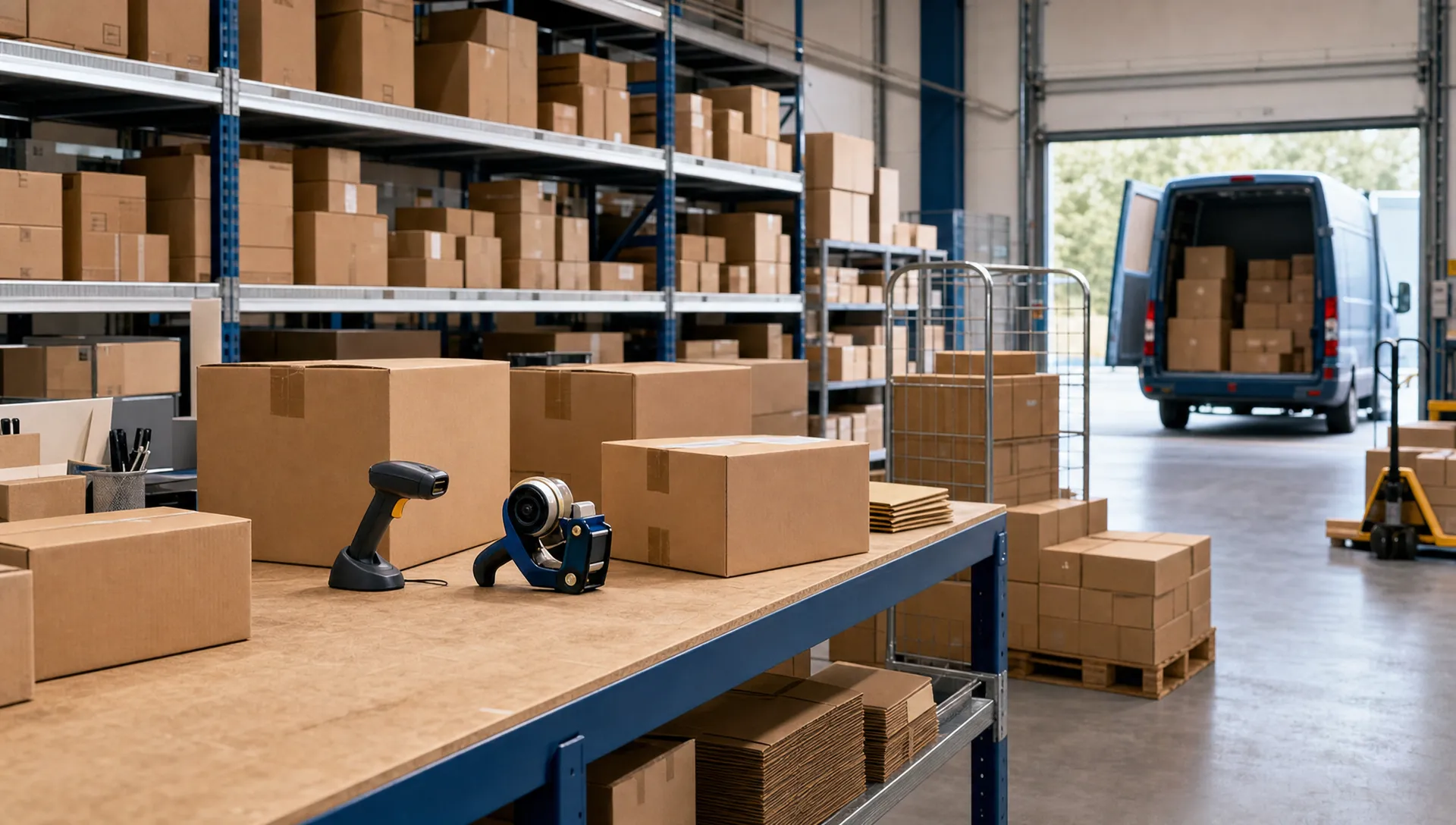
Outsourcing does not mean losing control. Done properly, it should give you more visibility, clearer processes and a fulfilment setup that can scale with demand. The important part is choosing a partner that understands DTC orders, not just bulk movement.
What to look for in a DTC fulfilment partner
A DTC fulfilment partner should be able to handle the operational detail while keeping communication simple. You do not need jargon. You need confidence that orders are being processed accurately, stock is visible and customers are receiving parcels when promised.
Look for practical capabilities such as platform integrations, reliable stock tracking, clear dispatch processes, sensible storage options and responsive support. If your products are fragile, high-value, seasonal, perishable or variant-heavy, make sure the provider can handle those requirements before you move stock in.
| What to check | Why it matters |
|---|---|
| Sales channel integrations | Orders should flow from your store or marketplace without constant manual uploads |
| Stock visibility | You need accurate information before making sales and purchasing decisions |
| Cut-off times | Later cut-offs can help you offer faster dispatch to customers |
| Storage flexibility | Your stock levels may change as campaigns, seasons and product ranges shift |
| Returns handling | DTC brands need a clear process for returned stock and customer queries |
| Communication | Problems are easier to solve when you can speak to the people handling your goods |
| Transport options | The right mix of parcel, pallet and same-day options gives you more flexibility |
Transport is especially important if your operation includes urgent replenishment, retailer deliveries, larger items or time-sensitive consignments. A fulfilment partner with access to same-day and next-day transport can support more than standard parcel dispatch when your business needs it.
How DTC fulfilment connects with your wider logistics operation
DTC fulfilment rarely sits on its own for long. As your business grows, you may need to manage inbound containers, pallet storage, retail deliveries, co-packing, promotional bundles, returns and wholesale orders at the same time.
This is where choosing the right logistics partner matters. A provider that only handles simple parcel dispatch may be enough for an early-stage DTC brand, but it can become limiting if your routes to market expand.
For example, a brand might start by shipping individual website orders, then add marketplace orders, then win a retail listing, then need promotional packs built for a seasonal campaign. Each step adds operational complexity. If your fulfilment and warehousing partner can support that growth, you avoid moving stock and retraining processes every time the business changes.
That is why many SMEs look for a 3PL that can combine fulfilment, storage, transport and wider logistics support. It keeps communication clearer and reduces the number of suppliers involved in getting stock from inbound delivery to final customer.
How Gus Logistics supports DTC brands
Gus Logistics is a family-run 3PL provider based in Nantwich, Cheshire, supporting eCommerce brands, manufacturers and product businesses across the UK.
For DTC brands, Gus Logistics provides order fulfilment and pick and pack services that integrate with 60+ platforms, including Shopify, Amazon, eBay, WooCommerce and Magento. The team offers late cut-offs up to 10pm and next-day dispatch, helping growing brands keep up with customer expectations.
Alongside fulfilment, Gus Logistics also provides pallet and bulk warehousing, real-time WMS tracking through a client portal, batch and serial number tracking, best-before date tracking, same-day and next-day transport, co-packing and FSDU services.
That combination is useful for brands that sell through more than one channel. You may need DTC parcel fulfilment today, but later require pallet storage, retail distribution or promotional display support. Working with a provider that offers wider UK logistics services gives you room to grow without rebuilding your operation from scratch.
Gus Logistics also has no minimum volume requirements, which can help smaller brands take the next step into outsourced fulfilment without needing to commit to unrealistic order numbers. Customers speak directly to the people handling their freight, with no call centres, and the company is strategically located near the M6, M56 and M62 for UK-wide distribution.
Frequently Asked Questions
What does DTC stand for in fulfilment? DTC stands for direct-to-consumer. It means your brand sells and ships products directly to the end customer rather than sending stock only to retailers, wholesalers or distributors.
Is DTC fulfilment only for Shopify brands? No. Shopify is a common platform for DTC brands, but DTC fulfilment can support orders from many sales channels, including marketplaces, WooCommerce, Magento and other online stores.
When should a brand outsource DTC fulfilment? You should consider outsourcing when packing orders is taking too much time, storage space is becoming a problem, dispatch deadlines are being missed or errors are affecting customer experience.
Can DTC fulfilment include returns? Yes. Many DTC fulfilment operations include returns handling, where returned items are received, checked and processed according to the brand's rules.
What is the difference between DTC fulfilment and 3PL? DTC fulfilment is the process of sending direct customer orders. A 3PL, or third-party logistics provider, is a company that can manage fulfilment and other logistics services on your behalf.
Need help with DTC fulfilment?
If your DTC orders are becoming harder to manage in-house, Gus Logistics can help you build a practical fulfilment setup that supports your next stage of growth.
To discuss order fulfilment, storage, transport or wider 3PL support, call 01270 335014 or get in touch via the contact page.
Looking for a Logistics Partner You Can Trust?
From warehousing and order fulfilment to transport and FSDU design - Gus Logistics handles it all from our base in Nantwich, Cheshire. Over 10 years experience, no minimum volumes, no long contracts.
