
Do You Need a UK Warehouse to Sell Products in the UK?
If you sell to UK customers, one question comes up quickly: do you actually need a UK warehouse for eCommerce, or can you keep shipping from your own premises, your manufacturer, or an overseas fulfilment centre? The short answer is no, it is not always a legal requirement. But for many brands, local storage becomes the difference between occasional UK sales and a reliable operation customers will trust.
For a small brand testing the market, posting orders into the UK can work for a while. Once order volumes rise, delivery expectations tighten and returns become more frequent, the hidden strain starts to show. Parcels take longer, shipping costs are harder to control, stock is harder to track and customer service spends more time answering “where is my order?” queries.
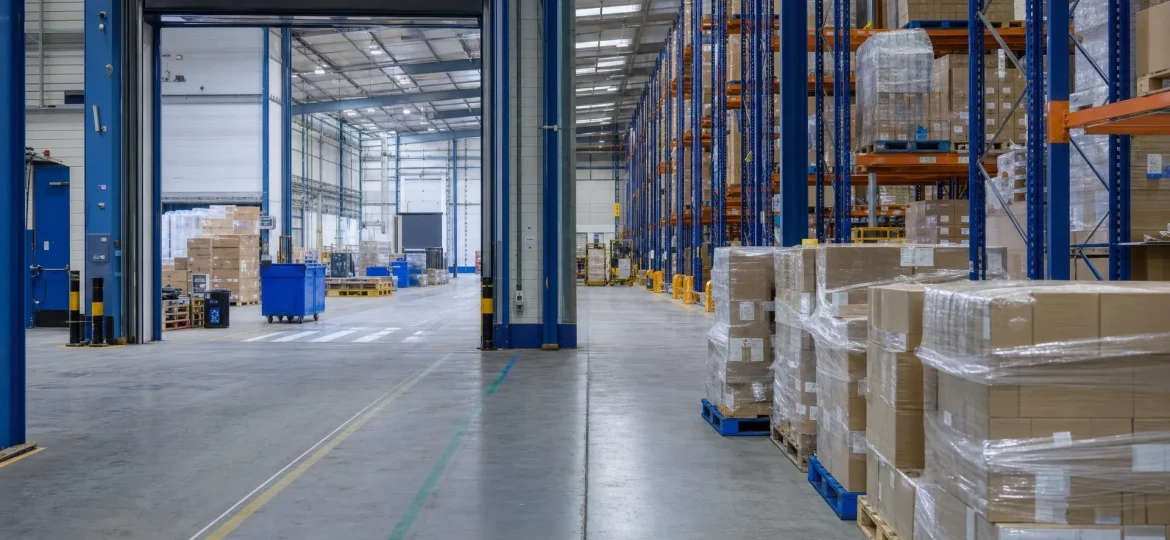
A UK warehouse does not just give you somewhere to put stock. Used properly, it becomes the centre of your UK sales operation: receiving goods, storing them safely, picking orders, packing parcels, dispatching through suitable carriers and handling returns when customers send items back.
The simple answer: not always, but often sooner than you think
You can sell products in the UK without using a UK warehouse. For example, you might sell low volumes from overseas, ship direct from your own premises, use a dropshipping model, or supply UK customers from a manufacturer. None of those routes automatically require you to hold stock in the UK.
The issue is less about whether you are allowed to sell without one and more about whether your current setup supports the service level your customers expect. UK shoppers are used to fast dispatch, clear tracking and straightforward returns. If your delivery promise is too slow or unpredictable, it can affect conversion rates before the customer even reaches checkout.
For many growing brands, a UK warehouse for eCommerce starts to make sense when UK demand becomes consistent enough to justify holding inventory closer to customers. It is especially useful if you sell through Shopify, Amazon, eBay, WooCommerce, Magento or multiple channels at once, because stock accuracy and dispatch speed become harder to manage manually.
What a UK warehouse for eCommerce actually does
A good warehouse operation covers more than shelf space. It should help you move stock in, store it correctly, get orders out on time and maintain accurate records. That matters whether you are selling beauty products, food and drink, homeware, accessories, electronics, pet products or business supplies.
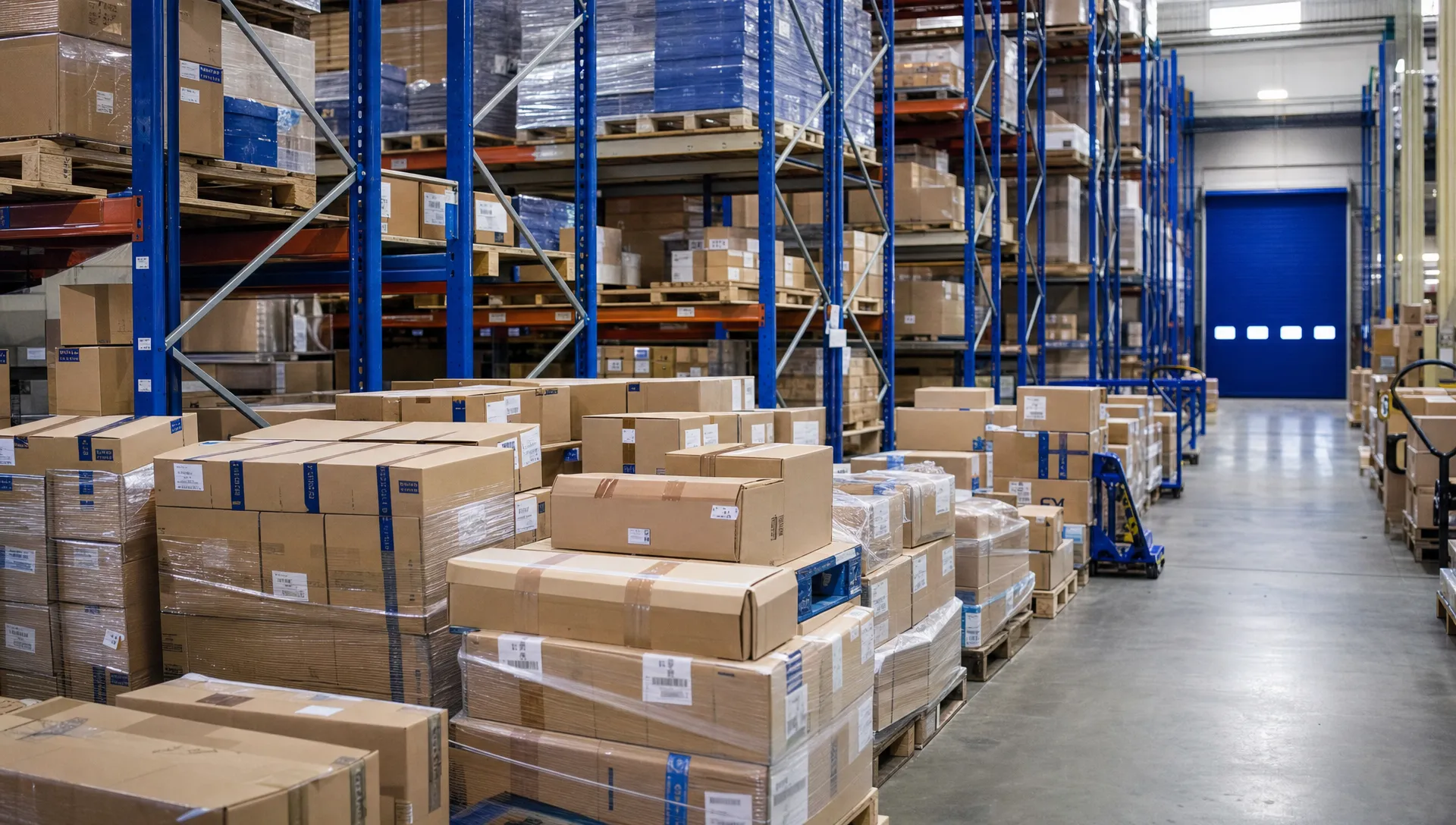
In a typical outsourced setup, stock arrives at the warehouse in cartons, pallets, containers, or mixed deliveries. The team books it in, checks quantities, allocates storage locations and updates the warehouse management system. When a customer places an order, the order flows into the fulfilment system, items are picked and packed, carrier labels are produced and the parcel leaves for delivery.
This process sounds simple, but the detail matters. Wrong stock counts can lead to overselling. Slow pick and pack can miss carrier cut-offs. Poor returns handling can leave saleable goods sitting in a corner instead of going back into stock. A professional UK warehouse for eCommerce should reduce those problems rather than simply move them off your premises.
When you may not need a UK warehouse yet
There are situations where outsourcing warehousing too early can add unnecessary cost or complexity. If your UK order volume is very low, your product range is tiny, or your customers accept longer delivery windows, it may be better to keep your current model while you validate demand.
You may also be able to delay UK warehousing if your products are made to order, very high value and low volume, or shipped as large specialist items that need a bespoke transport solution rather than standard parcel fulfilment. In those cases, the right answer might be direct delivery, pallet distribution, or a more tailored logistics setup.
Use practical signals rather than guesswork. If packing orders still takes one person an hour a day and customers are happy, you may not need to move immediately. If your team is losing half a day to packing, stock checks and delivery queries, the business case is usually stronger.
When a UK warehouse becomes the practical choice
A UK warehouse becomes more valuable as soon as logistics starts holding back sales or taking too much attention from the team. That point arrives at different times for different businesses, but the warning signs are usually easy to spot.
Common triggers include:
- You regularly miss dispatch targets during busy periods.
- Your team is picking orders from an office, garage, unit, or spare room.
- You cannot see accurate stock levels across sales channels.
- Shipping into the UK is slow, expensive, or hard to explain to customers.
- Returns are taking too long to process.
- You need to supply retailers, marketplaces, wholesalers, or trade customers.
- You are preparing for seasonal peaks and do not want to hire temporary warehouse staff.
If these problems sound familiar, a UK warehouse for eCommerce can give your business more capacity without committing to your own building, racking, equipment, warehouse system and labour. It can also make the customer experience feel more local, even if your manufacturing or head office is elsewhere.
UK warehouse vs shipping from overseas
If you are based outside the UK, the decision often comes down to speed, control and landed cost. Shipping each order individually across borders can work for testing demand, but it can also create customer friction if delivery is slow or if charges are unclear. Businesses importing stock should also understand duties, VAT and customs requirements, with current guidance available from GOV.UK on importing goods into the UK.
Bulk shipping inventory into the UK and then dispatching locally can simplify the customer experience. Your customer sees a UK delivery service, receives tracking sooner and usually gets a clearer returns route. Your business gets a more predictable warehouse process and fewer one-off international shipments.
| Selling model | Best suited to | Main limitation |
|---|---|---|
| Ship each order from overseas | Market testing, low UK volume, niche products | Slower delivery and more customer service queries |
| Store stock in your own UK premises | Early-stage brands with manageable volumes | Space, staffing and process limits as orders grow |
| Use a UK 3PL warehouse | Growing brands needing storage, fulfilment and returns support | Requires stock planning and clear operational setup |
| Use retailer or marketplace fulfilment only | Brands focused on one sales channel | Less flexibility across wider wholesale and direct sales |
What to look for in a UK warehouse partner
Choosing a warehouse is not just a price comparison. Storage rates matter, but the cheapest option can become expensive if orders are late, stock records are poor, or you cannot speak to the people handling your goods. The right partner should fit your products, sales channels and growth plans.
Start with location. A warehouse close to strong motorway links can help with inbound deliveries, parcel collection, pallet distribution and urgent transport. Cheshire and the North West are practical locations for many UK brands because they offer access to major routes including the M6, M56 and M62.
Next, look at systems. If you sell online, your warehouse should be able to connect with your sales platforms and update orders efficiently. For stock control, it should provide visibility of what is available, what has been allocated and what needs replenishing.
Storage flexibility also matters. Some businesses need pallet storage, others need carton locations, bulk floor space, pick faces, batch tracking, serial number tracking, or best-before date control. A warehouse that only fits one storage model may not support you as your range changes.
If you are comparing providers, ask how they handle receiving, order cut-offs, packaging, carrier selection, returns, stock counts, damaged goods, peak periods and communication. A reliable UK warehouse for eCommerce should be able to explain these processes clearly, without hiding behind vague promises.
How UK warehousing connects to fulfilment, transport and returns
Warehousing is only one part of the operation. If you are selling products, storage needs to connect smoothly with fulfilment, delivery and returns. Otherwise, you may end up with stock in the right country but still struggle to get orders out on time.
Order fulfilment covers the pick, pack and dispatch process. For online sellers, this is where the warehouse becomes part of the customer experience. Correct items, suitable packaging, reliable carrier handover and tracking updates all affect whether the customer buys again.
Transport is just as important for inbound and outbound goods. You may need pallets collected from suppliers, containers unloaded, stock moved between sites, urgent same-day deliveries, or next-day transport for larger consignments. Returns management completes the loop by checking products back in, restocking saleable items and separating damaged or unsellable goods.
That is why many brands prefer one joined-up logistics partner rather than separate storage, fulfilment and transport suppliers. It reduces handovers and makes it easier to identify where an issue needs to be fixed.
Where Gus Logistics fits for growing product businesses
Gus Logistics is a family-run 3PL provider based in Nantwich, Cheshire, supporting eCommerce brands, manufacturers and product businesses across the UK. If you are exploring whether a UK warehouse for eCommerce is the right next step, the team can help you understand what type of setup is practical for your order volume, product range and delivery expectations.
For brands that need a broader outsourced logistics setup, Gus Logistics provides UK logistics services covering storage, fulfilment, transport and related support. Because the operation is based near major North West motorway links, it is well placed for UK-wide distribution.
If storage is your first priority, Gus Logistics offers warehouse storage for pallets and bulk goods with racked and floor storage options. Real-time WMS tracking is available through a client portal, with batch, serial number and best-before date tracking where required.
For online sellers, the company also provides order fulfilment and pick and pack services that integrate with more than 60 platforms including Shopify, Amazon, eBay, WooCommerce and Magento. Late cut-offs of up to 10pm and next-day dispatch can help growing brands keep pace with customer expectations.
Gus Logistics does not require minimum order volumes, which can be useful for SMEs that need a professional warehouse partner but are not ready for large fixed commitments. Customers speak directly to the people handling their freight rather than a call centre, and quotes are usually turned around the same working day.
A practical decision checklist
Before you commit to a UK warehouse, work through the decision in operational terms rather than treating it as a yes or no question. The best answer depends on what is slowing your business down today and what will matter over the next 6 to 12 months.
Ask yourself:
- Are UK customers abandoning baskets because delivery is too slow or unclear?
- Is your team spending too much time packing, labelling and chasing parcels?
- Do you trust your current stock records across all sales channels?
- Are returns being processed quickly enough to protect cash flow and customer satisfaction?
- Will your current setup cope with seasonal peaks, promotions, new retailers, or marketplace growth?
- Would local stock improve your ability to supply UK customers, retailers, or trade accounts?
If the answers point to capacity, control or service problems, it may be time to move stock into a UK operation. A UK warehouse for eCommerce should not just cut delivery time. It should give you a more dependable process that lets your team focus on sales, product development and customer relationships.
Frequently asked questions
Do I legally need a UK warehouse to sell products in the UK? No, not in most cases. Many businesses sell into the UK from overseas or from their own premises. The decision is usually commercial and operational, based on delivery speed, costs, returns and customer expectations.
At what order volume should I use a UK warehouse for eCommerce? There is no single number that applies to every business. If fulfilment is taking too much staff time, errors are increasing, or delivery performance is affecting sales, it is worth speaking to a 3PL even if your volumes are still modest.
Can a UK warehouse handle multiple sales channels? Yes, the right provider can connect with common eCommerce platforms and marketplaces so orders flow into the fulfilment process. You should ask which platforms are supported and how quickly integrations can be set up.
Is UK warehousing only for large brands? No. Many SMEs use outsourced warehousing because they do not want the fixed cost of running their own warehouse. The key is finding a provider that can work with your current volume and scale with you.
Can I store stock in the UK and still manufacture overseas? Yes. Many product businesses manufacture overseas, ship stock in bulk to a UK warehouse and then dispatch individual orders locally. You will still need to plan customs, duties, VAT and inbound transport properly.
Ready to discuss UK warehousing?
If you are unsure whether now is the right time to use a UK warehouse, speak to a logistics team that can look at your real order pattern, storage needs and delivery expectations. Gus Logistics can support growing businesses with warehousing, order fulfilment, transport, returns and wider 3PL services from its base in Nantwich, Cheshire.
To discuss your options, call 01270 335014 or get in touch via the contact page.
Looking for a Logistics Partner You Can Trust?
From warehousing and order fulfilment to transport and FSDU design - Gus Logistics handles it all from our base in Nantwich, Cheshire. Over 10 years experience, no minimum volumes, no long contracts.
